


Funerals can be strange as well as sad occasions. The strangest funeral I’ve attended was Edith Thompson’s, which was held in the gloomy Victorian splendour of the City of London Cemetery in November 2018. Strange, because Edith Thompson was hanged in 1923 when she was 29 and pregnant, having been accused of murdering her husband Percy. I’d been invited to her funeral by an old friend, René Weis, who wrote a book about Edith’s life and death called Criminal Justice: The True Story of Edith Thompson (Harnish Hamilton, 1988), which I warmly recommend.
My Life in Funerals
At my age, farewells to the departed are the mainstay of my social life
Jane Miller
April 12, 2026
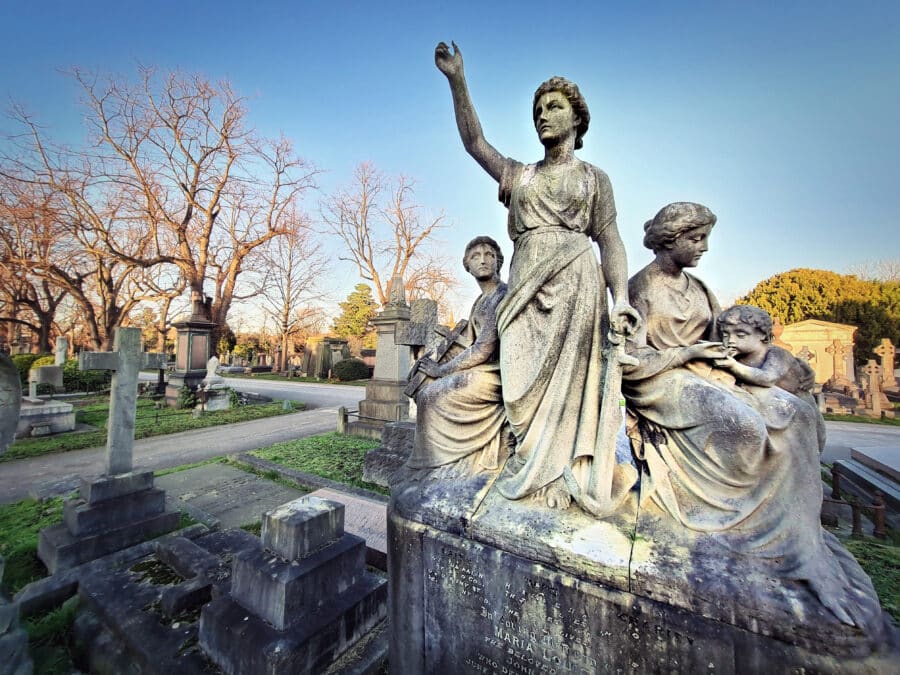
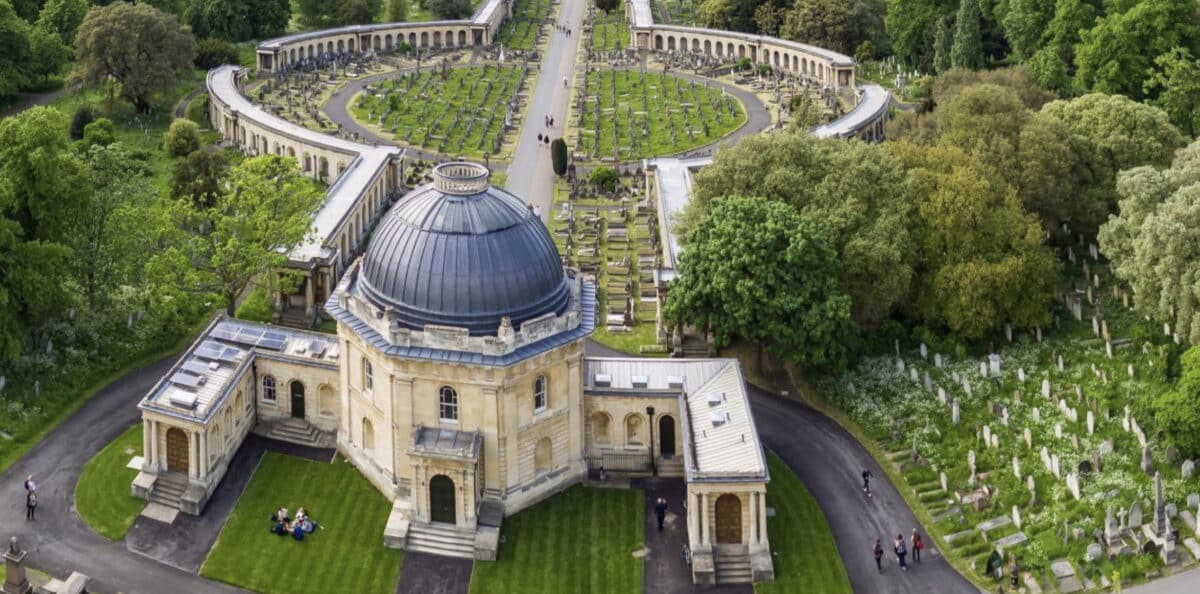
London's Brompton Cemetery is the final resting place for 200,000 souls, including, someday, that of the present author. (David Bingham, The London Dead)
London's Brompton Cemetery is the final resting place for 200,000 souls, including, someday, that of the present author. (David Bingham, The London Dead)
René is certain Edith didn’t kill her husband and that her young lover, Frederick Bywaters, did, though almost by accident. Both of them were hanged.
René had her body exhumed from the grave she’d shared with one or two other hanged women, and he’d arranged this grand and solemn funeral and seen to it that she was buried in the plot next to the graves of her mother and father.
There have been other funerals almost as strange. An old college friend of mine was being lowered into the lawn in her garden to the sound of a Buddhist chant, when a woman standing behind me dropped down dead with a thud that copied the sound of the basketwork coffin being dropped into its neatly dug hole.
Then there was the time my husband and I went to the funeral of a friend’s 105-year-old mother (she had lived in three centuries), and afterwards went from the church to the graveyard where we joined her family round the grave. Except that it was the wrong family, the wrong grave. It was Italian and Catholic, where hers had been English and Protestant, but as both of us were pretty deaf we lingered for a while, assuming that the priest’s words were probably just a rough sort of Latin, before we realised we were at the wrong grave and hurried to rejoin our friend’s graveside gathering.
Funerals these days come accompanied by elaborate printed matter: photographs, the order of events, the texts of hymns and prayers, thanks and references. There is something about the acoustics of most places of worship that makes hearing virtually impossible for me. So I am grateful that I have at least some written version.
And then there are the undertakers. They wore top hats and tailcoats at Edith Thompson’s funeral. When my sisters and I visited an undertaker and explained that our father hadn’t had much truck with God, we were assured that wouldn’t matter—they could go as low as you like. The undertaker at my husband Karl’s funeral explained that he had been a schoolteacher but decided in the end that he preferred adults to children. Dead adults, I suppose he meant. He read the satirical magazine Private Eye throughout the cremation service.
I’ve written some instructions somewhere about my funeral service. It is to be held in the rather forlorn chapel in nearby Brompton Cemetery (one of London’s so-called “Magnificent Seven”Victorian cemeteries). And there should be a party in my house afterwards. I change my mind about the music weekly: something by Bach and something by Schubert, but which and what and which performers? Someone else will have to decide.
It is a relief that I won’t be there on the day to organise it, feed any visitors or object to my instructions being disregarded. My husband Karl was always sure no one would turn up to his funeral. I feel the same. Why should they? After all, I’m not at all sure why I get myself to these grim cemeteries, where it usually rains. One such visit resulted in my getting pneumonia. But Karl never missed a single funeral, though he was often depressed by the outpouring of praise for the deceased, finding it hard to imagine that such admiration would ever come his way.
Most of the funerals I’ve been to have been of friends and coevals who have had longish lives. At least they can properly be congratulated as well as mourned.
But sometimes it’s not like that at all. The funeral feels like a smothering of grief, a cover-up, an irrelevance, almost an injustice. I felt that when a dear friend in her 30s died of cancer and left a small daughter. On that occasion I read George Herbert’s wonderful poem “Life,” in which he tries to believe, and to make us believe, that human beings have another go at life, rather as flowers do. And then there was the funeral of my son’s best friend, 14 years old, who’d fallen in a mad daring climb down a cliff. All one could say about a funeral like his, is that his mother survived the pain of it all in part by having so much to arrange in the wake of her son’s death.
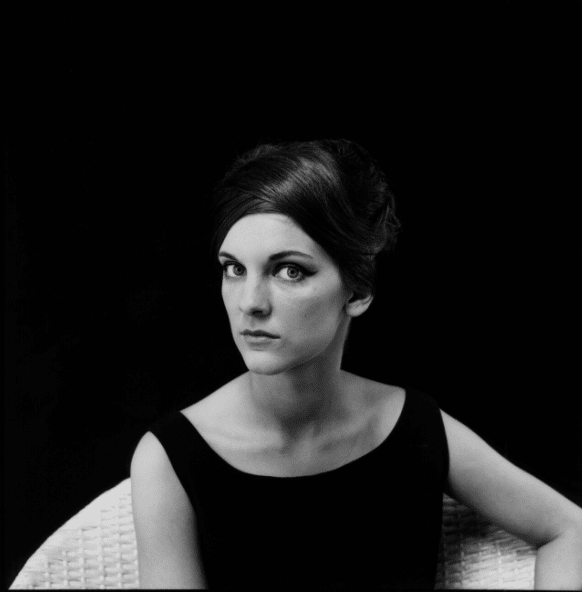
I’ve delivered several eulogies and written several obituaries. In a recent obituary of writer and former model Diana Melly (1937-2025), I ended with admiration for my old friend’s courage and her calm acceptance of illness and the prospect of death. She had found both subjects intensely interesting. Her last years were in fact alive with interests, many of them new to her. The Guardian, the newspaper that had asked for the obituary, wanted to cut any mention of dying and death, as not suitable material for an obituary. I withdrew my piece and offered it to the London Review of Books.
But, of course, there is some truth in our need to avert our eyes from actual dying, actual death, even as we rehearse the successes, the particularity, the significance of the life we’re publicly validating. The worst moment for me when my mother died at the respectable age of 92 was when her body was picked up and placed in a van with shelves, which might ordinarily have been used for loaves of bread.
The departure, and what it actually means for the departed, and what it means for us that that person, that body, that head full of its particular thoughts and feelings, will never exist again. A funeral can’t make up for that. There will be no doubles, no reincarnations, but the reality of that loss may be temporarily forgotten as we drink our wine and greet our friends. We, after all, are still alive and may manage to stay alive for a little longer.
Then I have to admit, that funerals, at my age, have become the mainstay of my social life, so it’s hardly surprising that I put on my best clothes and hope, at least, for some entertainment.
Jane Miller writes the "From the Old Country" column for Barn Raiser. Born in 1932, Miller lives in London. She is the author of the critically acclaimed Crazy Age: Thoughts on Being Old (Virago) and most recently In My Own Time: Thoughts and Afterthoughts (Virago), a collection of her "From the Old Country" columns published in In These Times. Miller, a graduate of Cambridge, first worked in publishing, then as an English teacher in a London comprehensive school and finally as a professor at the London University Institute of Education.
Have thoughts or reactions to this or any other piece that you’d like to share? Send us a note with the Letter to the Editor form.
Want to republish this story? Check out our guide.


More from Barn Raiser
Read →
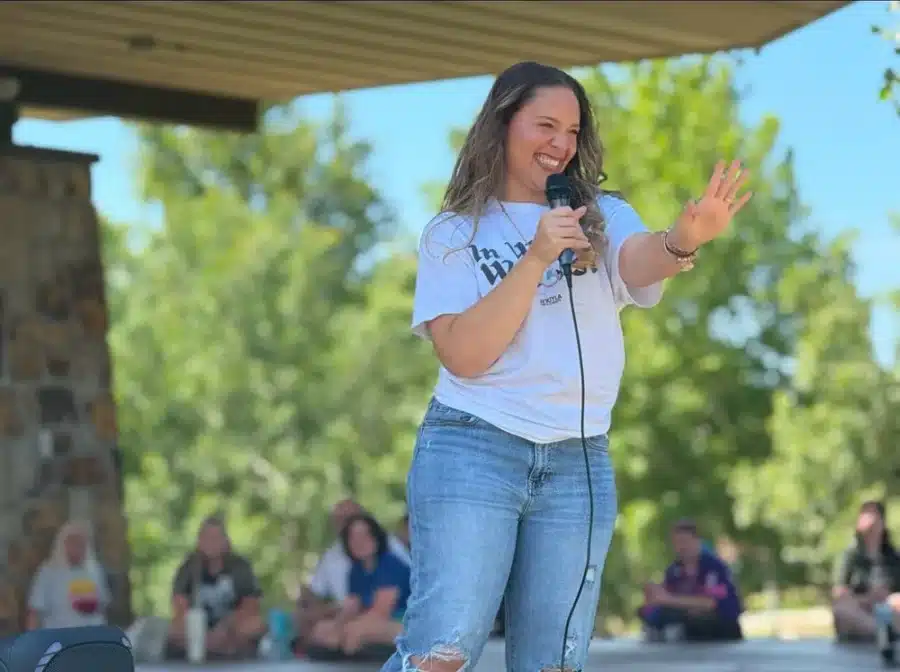
Young Candidates and Organizers Pave the Way for Rural Civic Engagement
These Oklahomans are under 35 and ready to lead


Read →
Some Establishment Democrats Want to Ban Ranked-Choice Voting
Will the Democratic National Committee limit how voting is done in presidential primaries?